


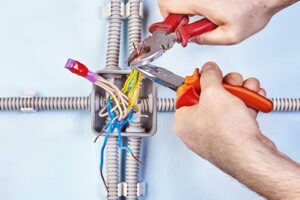
When one thinks about it, a cable splice is really the termination of two or more wires. And poor cable termination practices are the No. 1 technical problem for alarms, access control, CCTV and any other type of security system installation and service. Hence, the need arises to discuss this subject in detail.
Cable splicing plays a critical role in the reliability and functionality of security systems, particularly when it comes to the installation and maintenance of wired surveillance systems, alarm networks, and other security infrastructure. Here’s why cable splicing is so important: There is much more to security systems wiring than is apparent.
There couldn’t be a more fitting topic to begin the year than installation workmanship and the integrity of security systems cabling. Whether you’re new to the industry or an experienced professional, revisiting this subject is always beneficial. In fact, it serves as an excellent discussion point for senior technicians and installation managers to emphasize the importance of meticulous craftsmanship in ensuring system reliability.
While many young technicians today are well-versed in PC and IP technologies, they often lack exposure to the traditional technical skills that have long been the foundation of dependable security systems. In many cases, installers have no formal vocational training in this field; instead, they learn on the job from a mentor—often someone who entered the profession only a short time before them.
New recruits typically work under the guidance of an “Ustaad” when hired by a systems integrator, assisting and learning through hands-on experience. However, if their mentor takes shortcuts or performs subpar installations, these bad practices are passed down and perpetuated. With no standardized training programs for electronic security system installations in India, this informal learning approach has unfortunately become the norm across much of the industry.
Although wireless alarm systems and components have gained considerable popularity in recent years. They are easy and quick to install, have decent signal supervision, are lower in cost and have longer-lasting batteries. That said, a properly installed wired security system will always be more reliable and require less maintenance than a wireless system.
In any wired security system, intrusion alarms, access control or video surveillance systems, considerable importance is placed on a circuit having excellent electrical continuity. A poor termination or cable splice can create high, and often intermittent, resistance that in turn leads to all sorts of technical problems. Many of you have heard the term “swingers” or intermittent connectivity which cause problems like failed and false notifications which are very difficult to trouble shoot. Why not save time, money and anxiety by making sure cables are connected properly in the first place?
Here’s why proper cable splicing is essential:
Maintaining Signal Integrity
Security systems rely on uninterrupted data transmission for surveillance, alarms, and communication. Improper splicing can cause signal degradation, interference, or even complete loss of connectivity, affecting system performance.
Ensuring System Reliability
A well-spliced cable ensures that security devices—such as CCTV cameras, motion detectors, and access control systems—function without disruptions. Weak or faulty splices can lead to intermittent faults, false alarms, or system downtime.
Preventing Unauthorized Access and Tampering
Poorly connected cables may expose security systems to tampering or unauthorized access. Properly spliced and secured cables reduce the risk of breaches, ensuring the system remains resilient against sabotage.
Reducing Maintenance Costs and Downtime
Faulty splicing often leads to frequent repairs and system failures, increasing maintenance costs. High-quality splicing minimizes the need for rework and prevents costly troubleshooting and downtime.
Weather and Environmental Protection
Security system cables are often exposed to harsh environments. Improper splicing can allow moisture, dust, or other contaminants to enter, leading to corrosion or short circuits. Using proper splicing techniques—such as heat shrink tubing or weatherproof connectors—enhances durability.
Compliance with Industry Standards
Proper splicing ensures compliance with safety and industry standards, which is essential for avoiding legal and regulatory issues. Many security systems require adherence to electrical and telecommunications codes, making professional splicing a necessity.
Enhanced Longevity of the System
A secure and properly spliced cable connection extends the life of the security system by reducing wear and tear caused by loose connections, voltage drops, and inconsistent power supply.
Some Field-Proven Best Practices
There are times when you will need to splice cables, either solid or stranded, together. It might be a repair, running out of cable in a box, or a retrofit. Knowing what method of splicing can be critical for a good installation and system performance. Before getting into the specific types of splices, some general preferred practices based on field experience are suggested below.
Make sure you have properly stripped back the appropriate amount of cable jacketing and insulation sleeve. Prefer wire strippers that have a die that fits the gauge of wire you are using. Make sure you pull the insulation apart and do not nick the solid wire as it can easily break now or even worse later with a change in temperature. A good technician will get the feel for when wire is properly stripped and will always double check for wire nicks.
Learn to twist your bare wires together with a wide 45° angle as this makes for a neat and tight wire twist. It will give extra strength to your splice. Practice traditional and proven wire splice twists such as the Western Union splice for butting two wires together. Becoming consistent and skilled with these practices will improve your splicing methods considerably. Oh yes, don’t forget the practice of “leaving a loop” of extra cable when you can. You never know when you may have to make another splice or connection.
3 Splice Types From Which to Select
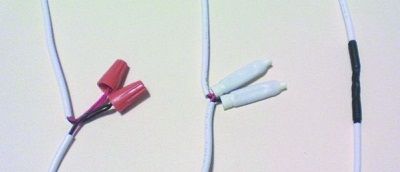 The three most popular methods for cable splicing are the wire nut, B-Connectors and soldering/heat shrink (see picture).
The use of splicing wires with wire nuts is often found in high voltage (240VAC) work. However, it has been observed that this practice has been extended by electricians to low-voltage work such as industrial controls. Fortunately it is rare, but has been seen in alarm circuits. Wires are stripped, inserted in the wire nut cap-like device and the nut is twisted tight. It is a mechanical connection. This practice is the least preferred method to splice low-voltage wiring and should be avoided, especially for alarm work.
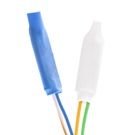 The next method, and most popular in the industry, is the use of B-Connectors. They are applied with a crimping method and if done properly have proven to be as good as a soldered splice. Please note the emphasis on “done properly.” These devices have small teeth inside and are designed to bite through the cable installation and make sufficient electrical connections. However, cable insulation material can vary. Our concern is consistency of electrical performance over time. The industry does consider this a good method for cable splicing.
Making a viable splice with a B-Connector also requires proper crimping. We have seen everything used from plain pliers, the butt side of needle-nose pliers to dedicated ratcheting crimpers. If you want to crimp B-Connectors by the book then get the ratcheting crimpers recommended and often supplied by the B-Connector manufacturer. Some professional installers prefer them too as they provide pressure consistency. Also note gel-filled B-Connectors are available for damp environments.
Now, we have saved the best for last. Learning how to properly strip the insulation, twist the conductors, solder together and reinsulate with heat shrink tubing will make the best splice of all. Yes, this is old-school and will take extra time. But done properly, you know you have the best connection possible. With a little practice, preparation and methodology you can do these connections in a timely manner. Also, get in the practice of staggering your Western Union-type splices in multiconductor cabling so as to keep your overall profile very low.
Soldered splices are also the most low-profile and may often be the only way to pull spliced cable through conduit or wall spaces. B Connectors can easily become caught and not fit in these conditions. You may also find the need for waterproof connections as in marine applications or below ground. Note that they make heat shrink tubing with adhesive lining for a better seal. To save on labour time they also make heat shrink tubing with an internal solder ring. In this case you can solder and shrink sealed tubing all in one step. For field installation, a butane micro torch is popular and inexpensive.
Splicing CAT5 and CAT6e cables is generally not recommended due to the significant impact it can have on network performance, signal integrity, and reliability. Both cables are designed for high-speed data transmission, and splicing disrupts the carefully engineered twist ratios, leading to increased crosstalk, signal degradation, and susceptibility to electromagnetic interference. Additionally, splicing introduces structural weaknesses, making the cable more prone to breakage, oxidation, and environmental damage. If splicing is absolutely necessary, it should be done using high-quality RJ45 inline couplers or punch-down blocks rather than manual wire twisting. Ensuring minimal untwisting of wire pairs, using proper insulation like heat shrink tubing, and testing the connection afterward can help reduce potential issues. However, a single, uninterrupted cable run is always preferable to maintain optimal performance. Instead of splicing, alternatives such as using network patch panels, keystone jacks, or replacing damaged cables should be considered for a more reliable and professional installation.
By ensuring proper cable splicing techniques, security professionals can significantly improve the performance and dependability of electronic security systems, ultimately enhancing safety and protection.