

Dallmeier has introduced a new Privacy Mode feature to enhance the data protection capabilities of its video solutions, allowing system operators to easily and temporarily stop image capture, recording, and image output either for the entire network or specific areas.
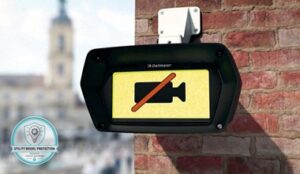
This privacy feature is indicated directly on the camera units whenever it is activated.
The latest update focuses on simplicity and user control. Operators can disable video capture and recording system-wide or on individual cameras through a single command using the SeMSy® Compact client software. Traditionally, interrupting surveillance required disabling various components separately, but now authorised users can achieve the same results quickly without dismantling the system.
Once activated, Privacy Mode halts image capturing and immediately stops recording, replacing video outputs with a static image instead. This feature assists operators in complying with internal data privacy mandates and legal obligations by preventing unnecessary data recording while minimising storage use.
Importantly, system functionality remains active during Privacy Mode, negating the need for shutdowns and enabling surveillance to resume promptly once the feature is deactivated. This capability is particularly advantageous for facilities such as airports, stadiums, and critical infrastructures, where swift adaptation to changing situations is imperative.
A utility model protects the Privacy Mode feature, ensuring its status is visibly displayed on the camera units. Depending on the camera model, this may involve lowering a Privacy Shield, flashing indicators, or adjusting to a preset position. Such transparency reassures individuals that their privacy is being respected, promoting trust among employees and visitors.
Privacy Mode activation is restricted to authorised users, incorporating security features like dual-login procedures to maintain strict control over its usage. This functionality supports operators in aligning with GDPR requirements and adhering to data protection authority guidelines such as data minimisation and recording limitations.