



As a professional security systems installer, you’re already an expert at safeguarding spaces—be it homes, offices, retail outlets, or critical infrastructure. But what happens when the same principles of surveillance need to be applied on the move? That’s where dashboard cameras, or dash cams, come into the picture. These compact yet powerful devices have evolved into essential tools for both personal and commercial vehicle security. For CCTV installers, understanding dash cams not only broadens your technical expertise but also opens up lucrative new revenue streams.
Dash Cams: CCTV Principles in a Mobile Format
At their core, dash cams function similarly to fixed surveillance systems. They capture, store, and sometimes transmit video footage. However, unlike traditional CCTV setups, dash cams are designed to operate within the mobile and often unpredictable environment of a vehicle. They must withstand motion, vibration, power fluctuations, and rapidly changing lighting conditions. Most dash cams record continuous footage in a loop, automatically overwriting older files unless a significant event, such as a collision, causes the footage to be locked for later review. These features provide critical documentation in the event of accidents, disputes, road rage incidents, or vandalism.
Installation Know-How: Temporary vs. Professional Setups
From an installer’s perspective, the first question often revolves around how these systems are set up. Dash cams come in two primary types. The consumer-grade models are usually installed with suction cups or adhesive mounts and draw power from the vehicle’s 12V socket. They are available from car accessories shops. These are easy to install but less durable in the long term. Professional setups, on the other hand, are hardwired directly into the vehicle’s fuse box or power lines. They are discreet, tamper-resistant, and offer a cleaner finish—qualities that make them especially appealing to fleet operators and discerning vehicle owners. For installers accustomed to running structured cabling and concealing wires in buildings, this kind of installation is a seamless transition.
Video Quality and Hardware: What to Look For
 When selecting or recommending dash cams, understanding the hardware specifications is critical. Full HD, or 1080p, is the baseline for resolution, but many higher-end models offer 2K or even 4K video, allowing for clearer capture of license plates and finer details. Frame rate matters too, with smoother footage at 30 or 60 frames per second being preferable for recording fast-moving traffic scenes. A wide-angle field of view, typically ranging from 140 to 170 degrees, helps capture more of the road, although it may introduce edge distortion. Night performance is another key factor. Many dash cams today include wide dynamic range technology or infrared capability to ensure usable footage even in low-light or nighttime conditions. Increasingly, users are opting for dual or triple-channel dash cams that cover the front, rear, and cabin of the vehicle—ideal for taxis, buses, or ride-share fleets.
Smart Features and AI: Beyond Basic Recording
Beyond just recording video, today’s dash cams are packed with features that bring them closer to the intelligent surveillance systems found in smart buildings. Many are equipped with G-sensors that automatically trigger emergency recording during sudden impacts or rapid acceleration. Some dash cams offer a parking mode, enabling them to record while the car is off—either through motion detection or time-lapse capture. GPS modules can embed location and speed data into the video, which is useful for investigations and insurance claims. More advanced units even come with AI-powered features such as lane departure warnings, driver fatigue alerts, or collision detection—providing real-time assistance to drivers. Cloud connectivity is another fast-growing feature, allowing real-time footage uploads, live streaming, or remote access. These functionalities mirror the IP surveillance and remote monitoring systems many CCTV installers are already familiar with.
Power and Storage: Ensuring Reliability
Power and storage are two areas where thoughtful planning can make a big difference. Most dash cams store video on microSD cards, generally between 64GB and 256GB in size. Installers should recommend high-endurance memory cards designed for continuous recording cycles. In some fleet-level applications, the cameras support external solid-state drives or hybrid systems that back up key footage to the cloud. When using parking mode or installing in high-use vehicles, hardwiring the dash cam with a voltage cut-off kit is advisable. This ensures the camera operates even when the engine is off, without risking battery drain. These considerations are well within the skill set of CCTV professionals who regularly design power-efficient and fail-safe systems for buildings.
Legal and Privacy Aspects: Know Before You Install
Legal and privacy considerations are important, and installers should familiarize themselves with local laws before deployment. For instance, in some regions, recording audio without the consent of vehicle occupants or others in public spaces may be illegal. In others, signage may be required to notify passengers or the public of ongoing recording. These nuances are similar to those faced when installing traditional surveillance systems in shared or public spaces, and clients will often rely on the installer for basic guidance on compliance.
Fleet Applications: A Growing Market
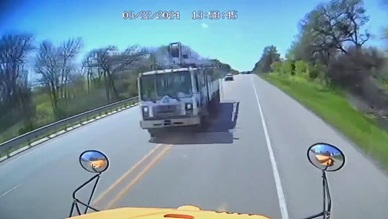 Fleet management presents one of the largest business opportunities in this domain. Transportation and logistics companies, school bus operators, emergency vehicles, public transport fleets, and ride-hailing services all stand to benefit from dash cam technology. When integrated with vehicle telematics, dash cams enable a host of operational efficiencies—recording incidents, improving driver behavior through monitoring, reducing fraudulent insurance claims, and enabling real-time video feeds to a central office. Some commercial-grade dash cams support API access or SDK integration with fleet management dashboards, further expanding their utility. For security systems providers already serving corporate clients, adding mobile surveillance is a logical and valuable service extension.
Business Opportunity: Why Installers Should Care
The business case for CCTV installers to venture into dash cams is compelling. There is strong cross-sell potential to existing clients, especially those with company vehicles or transport needs. Installations are often high-margin, particularly for hardwired systems that require skill and precision. Installers can also generate recurring revenue by offering cloud subscriptions, memory card replacements, periodic checkups, and firmware updates. With demand for road safety and incident accountability growing, offering dash cam installations can help set your business apart from competitors still focused solely on static surveillance.
CCTV vs. Dash Cams: A Natural Extension
To bridge any conceptual gap between traditional CCTV and dash cams, consider the parallels. Fixed surveillance systems are typically installed on walls or ceilings, powered by constant AC or battery-backed UPS, and record onto NVRs or cloud platforms. Dash cams, while mobile, follow the same logic: they capture visual evidence, operate on continuous or event-triggered recording, and store footage locally or remotely. The main difference lies in their mobility and the power environment they are designed for. Instead of a LAN or PoE setup, dash cams use DC power from a vehicle battery and may rely on Wi-Fi or 4G for network access.
Time to Expand Your Expertise
For a CCTV installer, getting into dash cams is not a stretch—it’s a smart evolution. You already understand surveillance hardware, cable management, client expectations, and regulatory considerations. Dash cams simply bring these elements into a fast-growing, mobile environment where accountability and safety are more important than ever. Whether it’s a logistics company tracking driver behavior or a private client concerned about road incidents, the demand is there—and your existing skill set makes you more than qualified to meet it. With minimal investment, a few key vendor relationships, and smart bundling of services, you can confidently expand into this domain and help your business stay ahead of the curve.