


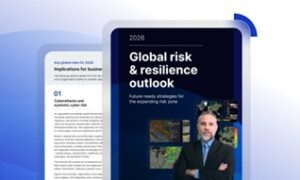
The 2026 Global Risk & Resilience Outlook set to be released shortly by Everbridge will offer an in-depth analysis of the ten most critical risks facing organisations worldwide and suggests a practical framework for building future-ready resilience.
Drawing on insights from the Everbridge Global Risk Survey and analysis from its Risk Intelligence Monitoring Center, the report underscores how deeply interconnected global threats are reshaping the boundaries of operational continuity.
According to the report, organisations now operate within an expanding risk zone, where simultaneous, cascading crises have become the norm rather than the exception. From cyber attacks and AI-driven disruption to geopolitical conflict and workforce instability, risks that once appeared separate are now creating ripple effects across entire industries.
“The threats organisations face today don’t happen one at a time,” said Dave Wagner, CEO of Everbridge. “A cyber incident can quickly turn into a supply chain disruption, a communications breakdown, or even a safety event. The pace and interconnection of these risks demand new levels of readiness and coordination.”
The 2026 Outlook identifies ten global risks expected to have the greatest impact on organisations in the year ahead – among them, systemic cyber risk, the dual edge of AI, and climate-driven extremes – illustrating how digital, physical, and human vulnerabilities now converge in the expanding risk zone.
Survey data from global leaders reveal widening resilience gaps, for example:
● 50% of organisations report limited or no formal critical event management strategy.
● 24% never test their business continuity or resilience plans.
● Only 31% are “extremely confident” in their ability to manage critical events effectively.
The report also introduces a five-stage resilience strategy – Plan, Monitor, Alert, Respond, and Improve – to help organisations operationalise resilience and close these gaps through technology, training, and collaboration.
“Resilience is shifting from a compliance exercise to an enterprise-wide mindset,” Wagner added. “Resilience today means building cross-functional muscles to anticipate, adapt, and recover faster, no matter what’s coming next.”